





Ancillary area
An ancillary area of a building is an area that supports the function/s of the primary areas, that is, it is not part of the primary purpose of the building, but is required in order that the primary purpose can function.
Examples of ancillary areas include:
- Plant rooms.
- Cleaners’ rooms.
- ICT rooms.
- Building services rooms.
- Storage rooms.
- Circulation spaces.
In shared buildings, an ancillary area might support more than one occupant, e.g. a shared kitchen, meeting spaces, utility areas, and so on.
In residential buildings, ancillary areas include spaces which do not form part of the main dwelling directly, but nonetheless add some useful value, e.g. patio area, office, garage, conservatory, porch, utility room, and so on.
NB Planning Gateway One – Glossary, published on the Planning Portal, defines ancillary accommodation as: ‘Rooms or spaces in a building used to support the residential use, such as refuse stores, cycle stores, plant rooms and storerooms.’
[edit] Related articles on Designing Buildings
Featured articles
Check out some of the best features and news from Designing Buildings as well as key stories from around the web.

Why construction can't afford to ignore the skills gap.
Building Safety Regulator, 19 August

Gill Kernick appointed Independent Chair of Residents’ Panel.
Connecting knowledge, technology and conservation
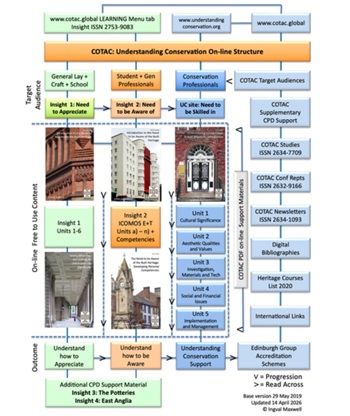
Building competence for the future of built heritage.
Building Regulations and Building Safety Act
CIOB publishes free advice for non-domestic clients.

Building Safety Newsletter from MHCLG.
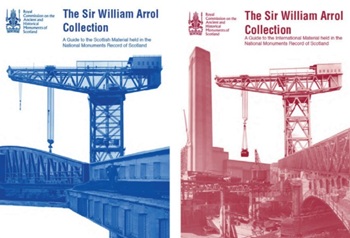
An extraordinary record of steel engineering worldwide.

Households living near new pylons to save on bills.

ECA warns growth must not outpace grid capacity or skills.
The role of the client and decision making

CIOB response to built environment professions call for evidence.
Construction's sustainability reporting revolution

Tracking upfront embodied carbon with digital tools.
ECA welcomes procurement reforms

Public spending must back British jobs and skills.
Campaigning for Edinburgh: the Cockburn Association 1875-2049
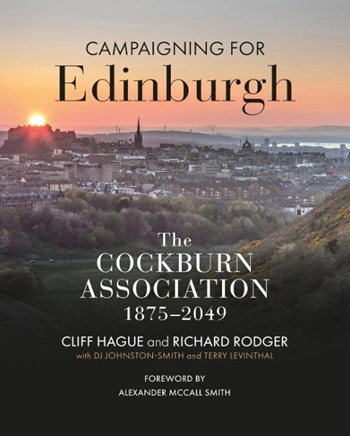
The role of the civic voice in protecting character. Book review.